HUNG VUONG UNIVERSITY OF HO CHI MINH CITY (DHV) HOSTS UNIIC BUSINESS CHALLENGE 2026
Ho Chi Minh City – On August 20th, UNIIC BUSINESS CHALLENGE 2026 officially took place at Hung Vuong University Ho Chi Minh City (DHV), with the participation of nineteen teams from twelve universities in Vietnam, Cambodia, Indonesia, Malaysia, the Philippines, and South Africa.
The teams were divided into three groups based on three challenge topics: improving communities; harnessing new technologies; and resource scarcity. Based on these challenges, the teams developed their solutions, presented them to the Judges, and took part in a direct question and answers session.
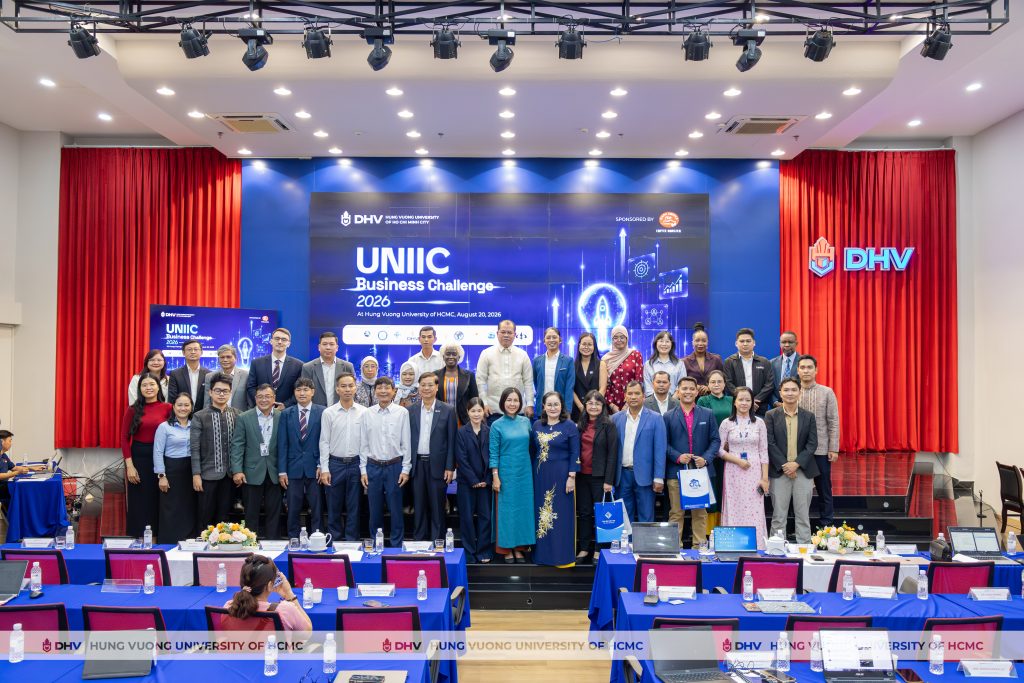
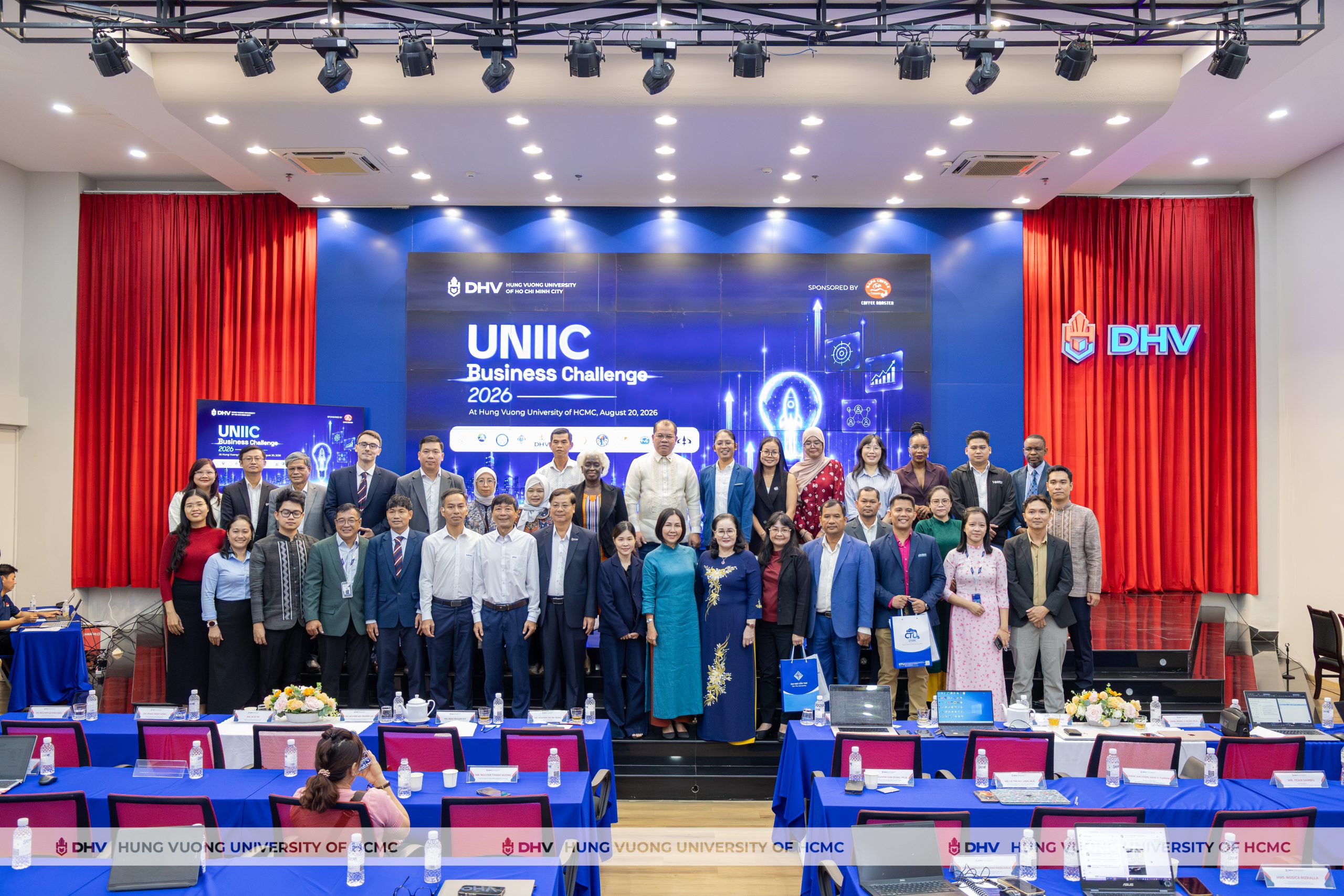
Overview of the Opening Ceremony of UNIIC BUSINESS CHALLENGE 2026, hosted by Hùng Vương University of Ho Chi Minh City
The competition not only focused on ideas but also tested the teams’ ability to understand problems, develop solutions, consider feasibility, apply business thinking, present their ideas, and defend their views.
FROM REAL-WORLD PROBLEMS TO YOUNG PEOPLE’S SOLUTIONS
One of the special points of UNIIC BUSINESS CHALLENGE 2026 is that the teams not only compete with their ideas but also need to show how their ideas can become useful solutions.
For improving communities, the teams focused on community issues, quality of life, and positive social change. For harnessing new technologies, new technologies were used to find different ways to solve problems, improve results, and create new value. Meanwhile, resource scarcity focused on how to use resources effectively in the face of challenges related to sustainable development.
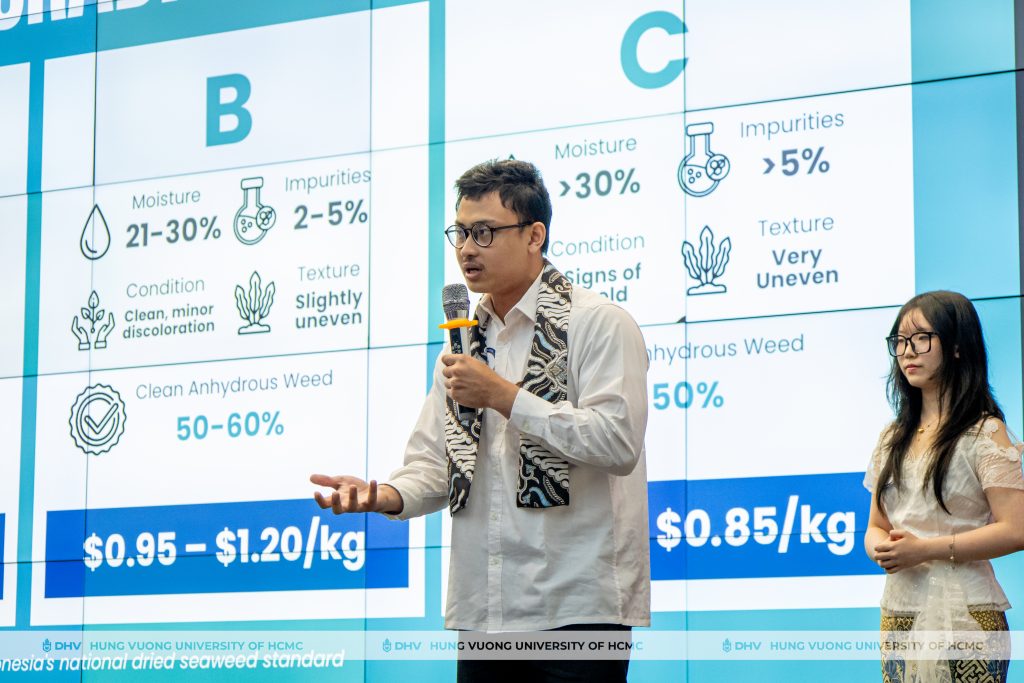
Teams present and defend their solutions before the Judges at the competition
After preparing their ideas, each team presented its solution to the Judges. The questions and answers session created an exciting atmosphere as the teams explained their solutions, how they could be carried out, and how their ideas could create value. Through this process, the competition tested students’ thinking skills and their ability to work under pressure in an international environment.
MORE THAN A COMPETITION: A PLACE FOR CULTURAL EXCHANGE
Before the official competition day, DHV organized a full day of preparation, including activities for teams to meet, connect, and prepare their solutions. As the host university, DHV also organized Vietnamese cultural activities for international students. The teams took part in bamboo dancing, traditional games, and other activities, creating a friendly atmosphere before the competition.
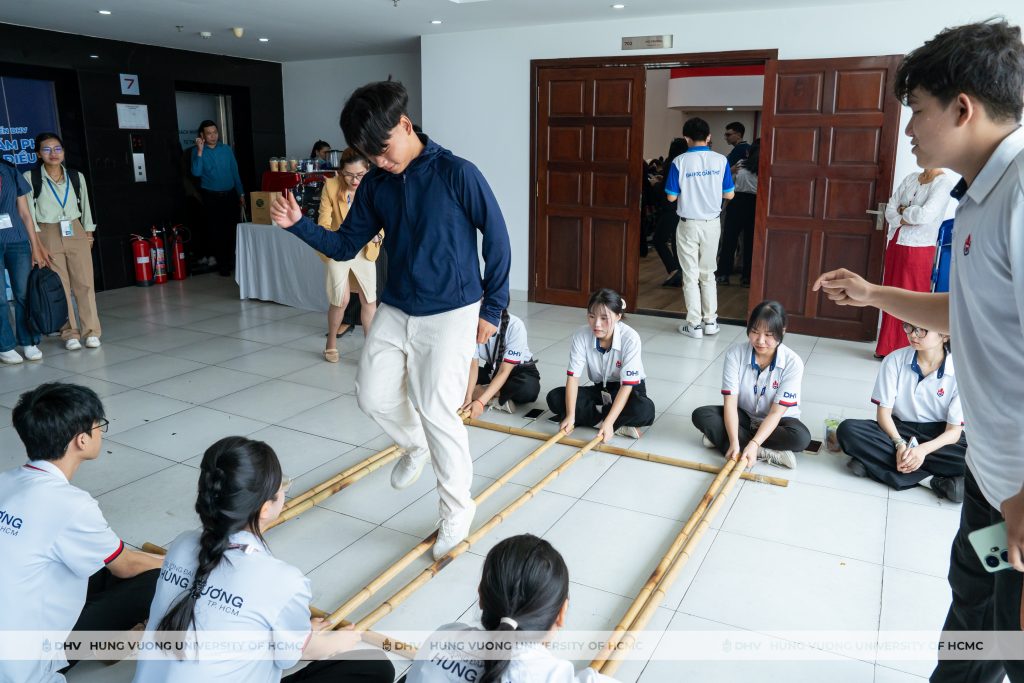
International students experience Vietnamese bamboo dancing and traditional games at DHV
Through these first conversations and activities, young people from different countries had the opportunity to meet, share their university life, culture, and experiences. These activities were an important part of the program, helping the participants connect not only through the competition but also through culture and friendship.
On August 21st, the program will continue with a Ho Chi Minh City experience for international student groups. This activity will give them more opportunities to learn about the culture, people, and daily life of the city.
EXPANDING CONNECTIONS BETWEEN DHV AND INTERNATIONAL UNIVERSITIES
As part of UNIIC BUSINESS CHALLENGE 2026, DHV also signed Memorandums of Understanding (MOUs) with several universities in the UNIIC network, including Mindoro State University (MinSU, Philippines), Occidental Mindoro State University (OMSU, Philippines), Adamson University (AdU, Philippines), and National University of Cheasim Kamchaymear (NUCK, Cambodia).
The agreements create opportunities for cooperation in areas such as academic exchange, student exchange, innovation, entrepreneurship, scientific research, and international exchange programs. The signing also helps DHV expand its international university network and creates more opportunities for lecturers and students to join academic, cultural, and cooperation activities with universities in the region.
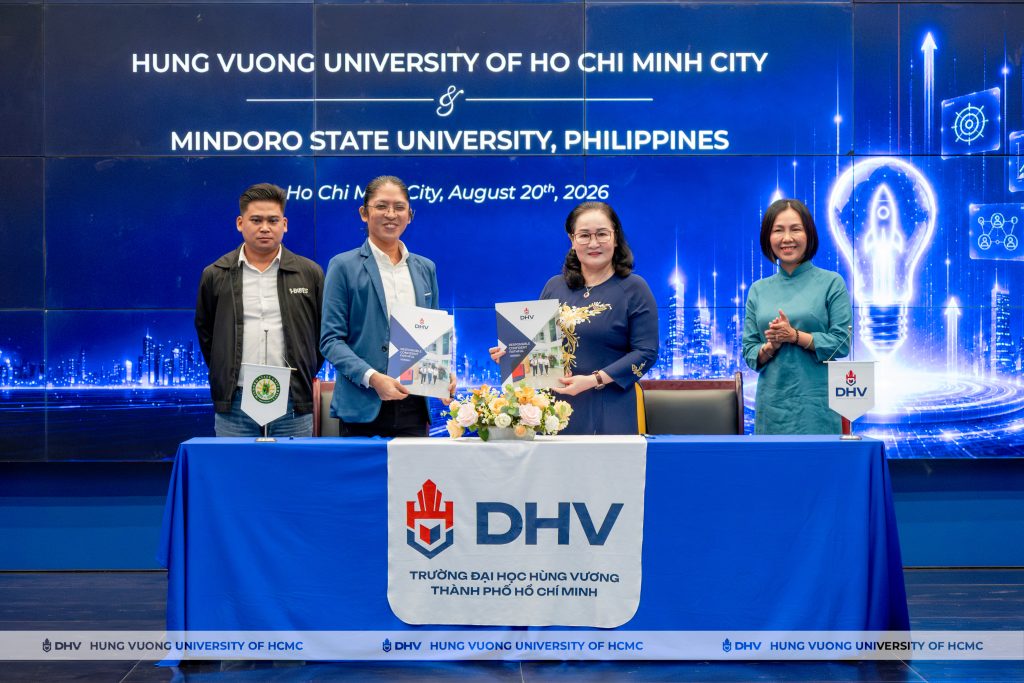
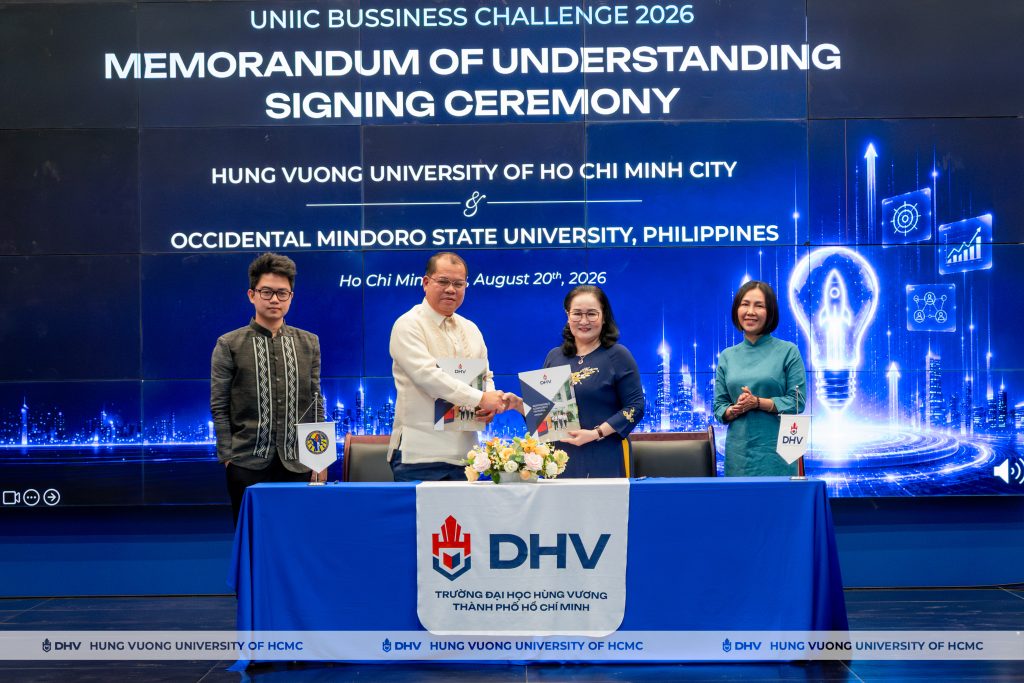
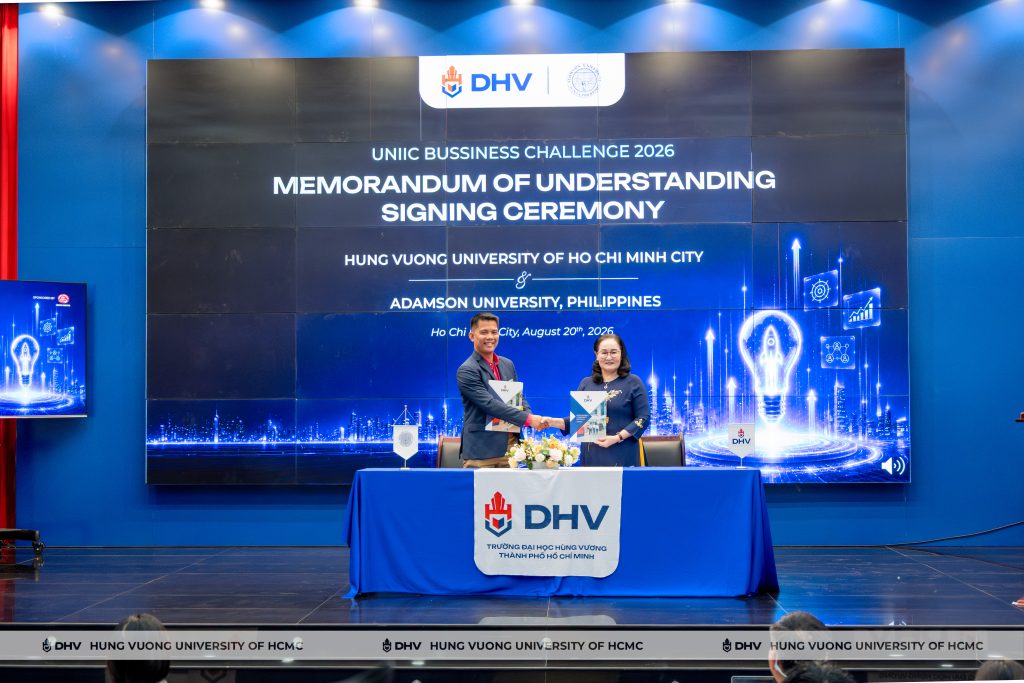
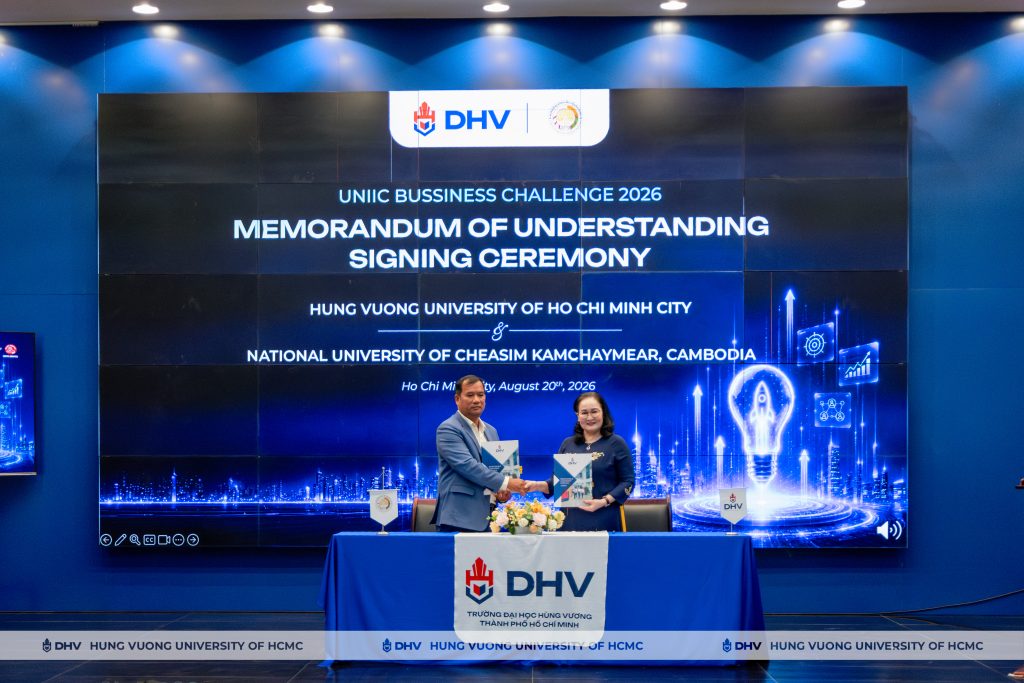
Representatives of DHV and international universities sign Memorandums of Understanding during the program
Speaking at the event, Dr. Nguyen Thi My Dung, Vice President of Hung Vuong University of Ho Chi Minh City, said that as social, technological, and resource-related issues become more complex, universities need to create an environment where young people can not only learn knowledge but also apply it, work together, and try new solutions to real-world problems. According to her, UNIIC BUSINESS CHALLENGE 2026 gives students from different countries an opportunity to work on these issues together while creating new connections between universities and the international community.
WHEN IDEAS ARE TESTED BY REAL-WORLD PROBLEMS
With 19 teams from 12 universities across 6 countries, UNIIC BUSINESS CHALLENGE 2026 creates a learning and competition environment where differences in culture, knowledge, and experience become opportunities for exchange. The three challenge topics also ask students to look at problems that go beyond national borders. A solution for a community, a new technology application, or a new approach to resource problems requires young people to look at issues from different points of view. This is also one of the key values of the competition: ideas are not only presented but also questioned, discussed, and tested for their feasibility.
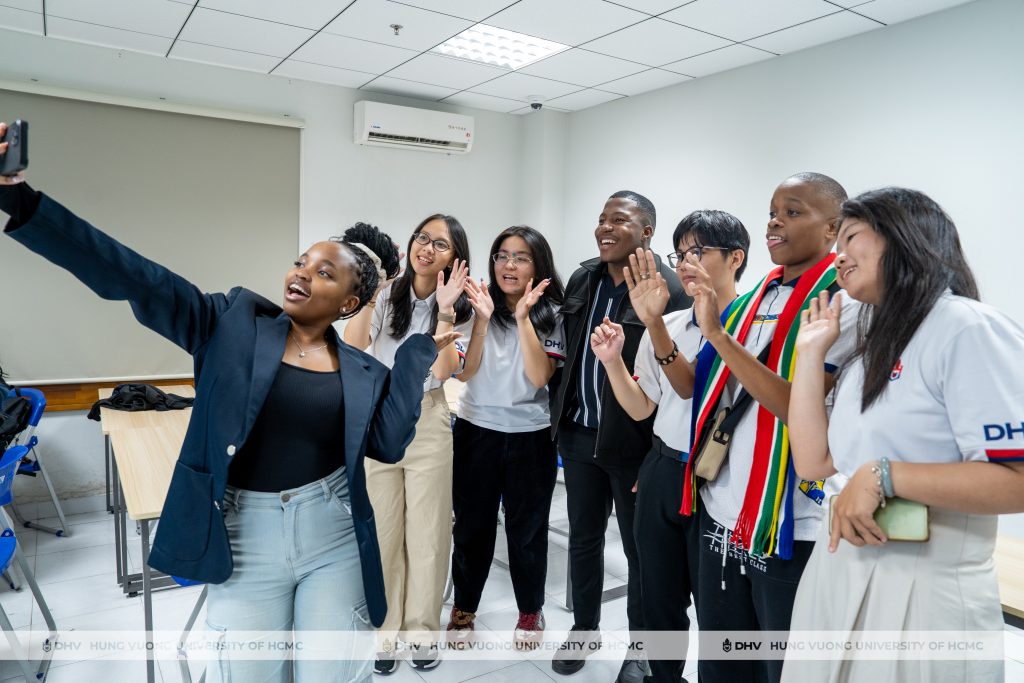
Students from participating universities connect and exchange ideas during UNIIC BUSINESS CHALLENGE 2026
UNIIC BUSINESS CHALLENGE 2026 is more than a student competition. It has become a space connecting education, innovation, entrepreneurship, and international exchange, while giving DHV students more opportunities to experience a multicultural learning environment on campus. By hosting the program, DHV continues to expand its international cooperation and build an educational environment where students can develop innovative thinking, problem-solving skills, critical thinking, multicultural teamwork, and an entrepreneurial spirit.
Khanh Nguyen (ACC)




 Email:
 Trụ sở chính:


 Cập nhật ngày 20/08/2026